
Imagine trying to trade Bitcoin with the speed of a centralized exchange but keeping your keys in your own pocket. That is the promise of Aster, a multi-chain decentralized exchange (DEX) that launched in 2025 to bridge the gap between CeFi convenience and DeFi self-custody. If you are tired of withdrawing funds to keep them safe or worried about exchange insolvencies, Aster claims to solve this by letting you trade directly from your wallet across BNB Chain, Ethereum, Solana, and Arbitrum.
But does it actually deliver? We looked at its architecture, the volatile performance of its native ASTER token, and how it stacks up against giants like Hyperliquid. Here is what you need to know before you connect your wallet.
What Exactly Is Aster?
Aster is not just another swap site. It is a decentralized perpetual exchange that also supports spot trading, hidden orders, and MEV-aware routing. Think of it as a professional trading terminal that lives on the blockchain. Unlike exchanges that force you to deposit funds into their custody, Aster allows you to retain control of your assets while accessing institutional-grade tools.
The platform uses a strategy called "horizontal integration." Instead of building its own blockchain from scratch (like Hyperliquid did), Aster aggregates liquidity from existing major chains. This means you can access deep liquidity pools on BNB Chain, Ethereum, Solana, and Arbitrum without bridging assets manually every time. For traders, this translates to lower slippage and faster execution, though it does introduce complexity regarding cross-chain security.
Key Features for Traders
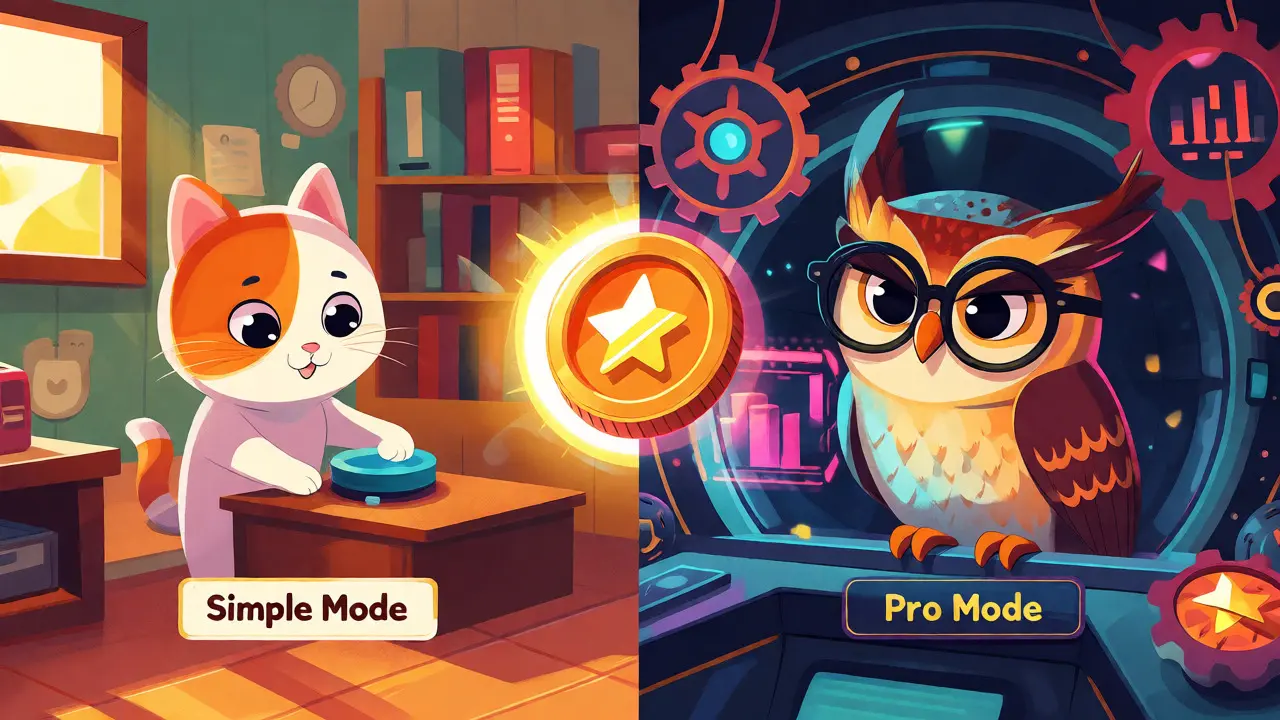
If you are new to DeFi, the interface might look intimidating at first. However, Aster mitigates this with two distinct modes:
- Simple Mode (formerly 1001x): Designed for beginners. It offers one-click trading with simplified interfaces, hiding the complex order books and leverage calculations.
- Pro Mode (formerly Perpetual): Built for experienced traders. This mode unlocks advanced features like grid trading, hidden orders (to prevent front-running), and 24/7 stock perpetuals.
One standout feature is capital efficiency. Most exchanges require you to post collateral in stablecoins like USDT or USDC. Aster accepts yield-generating assets such as asBNB and USDF as collateral. This means your collateral can earn interest while you hold a position, effectively reducing the cost of holding long-term trades. For active traders, this small detail can save significant amounts over months of trading.
Understanding the ASTER Token
The ecosystem runs on the ASTER token, a BEP-20 asset on Binance Smart Chain with a maximum supply of 8 billion tokens. The tokenomics are heavily weighted toward community rewards, which has driven much of its early hype.
| Allocation Category | Percentage | Purpose |
|---|---|---|
| Airdrops | 53.5% | Rewards for active traders and community contributors |
| Ecosystem & Community | 30% | Incentives, APX holder migration, and growth initiatives |
| Treasury | 7% | Strategic reserves and sustainability |
| Team | 5% | Incentives with cliff and vesting periods |
| Liquidity | 4.5% | Bootstrapping initial markets and listings |
The airdrop program was massive. In September 2025, 704 million ASTER tokens (8.8% of total supply) were instantly unlocked for eligible users. Eligibility depended on participation in "Spectra" stages and trading volume on Aster Pro. While this rewarded loyal users, it also created immediate selling pressure as many recipients cashed out.
Market Performance and Volatility
Let’s be honest: ASTER has been a rollercoaster. After launching in early September 2025, the token pumped roughly 20x, hitting an all-time high above $2.42 on September 24. It then surged another 200% in a week before crashing back down. As of late 2025, prices have hovered around $1.60-$1.70, reflecting a broader market trend where traders de-risk from volatile altcoins.
Technical analysis shows ASTER struggling to hold support at the $1.80 level. The formation of an ascending triangle pattern failed, leading to a breakdown. Currently, analysts are watching the $1.50 mark closely. If support holds there, RSI and MACD indicators suggest a potential bottom could form. However, if the broader crypto market remains choppy, ASTER could see further downside.
Is it too late to buy? Not necessarily, but timing matters. Long-term forecasts suggest ASTER could reach $9.82 by 2030 if adoption grows, but short-term predictions for 2025 vary widely between $1.38 and $2.74. Treat these numbers as estimates, not guarantees.
Aster vs. Hyperliquid: A Structural Comparison
You cannot review Aster without mentioning Hyperliquid, its closest competitor. Both offer high-speed perpetual trading, but their architectures differ significantly.
| Feature | Aster | Hyperliquid |
|---|---|---|
| Blockchain Model | Horizontal Integration (Multi-chain) | Vertical Integration (Own L1) |
| Liquidity Source | Aggregated from BNB, ETH, SOL, ARB | Native to Hyperliquid Chain |
| Complexity | Higher (cross-chain risks) | Lower (single chain consistency) |
| Asset Support | Broad multi-chain assets | Native assets + bridges |
Hyperliquid’s approach ensures consistent state and speed because everything happens on one chain. Aster’s approach offers more flexibility and access to diverse assets but introduces points of failure across multiple networks. If you prefer simplicity and speed, Hyperliquid might win. If you want access to specific assets on different chains without bridging hassle, Aster has the edge.

Security and Risks
Decentralized exchanges eliminate counterparty risk (the exchange running away with your money), but they introduce smart contract risk. Aster operates on a privacy-focused Layer 1 called Aster Chain, designed for low fees and rapid scaling. However, relying on multiple external blockchains means you are exposed to the security vulnerabilities of those underlying networks.
Additionally, the recent volatility of the ASTER token highlights the risk of governance-heavy projects. With 53.5% of the supply allocated to airdrops, future emissions and vesting schedules will heavily influence price action. Always check the latest governance proposals before making large investments.
Frequently Asked Questions
Is Aster a centralized or decentralized exchange?
Aster is a decentralized exchange (DEX). You trade directly from your wallet, meaning you retain custody of your private keys and assets throughout the trading process.
Which blockchains does Aster support?
Aster utilizes horizontal integration to connect with BNB Chain, Ethereum, Solana, and Arbitrum. This allows users to access liquidity from these major networks through a single interface.
What is the ASTER token used for?
The ASTER token serves as the governance token for the ecosystem. It is used for voting on protocol upgrades, rewarding community participation, and funding ecosystem growth initiatives.
Can I use yield-bearing assets as collateral on Aster?
Yes, unlike many competitors, Aster accepts yield-generating assets like asBNB and USDF as collateral. This improves capital efficiency by allowing your collateral to earn interest while securing your positions.
How does Aster compare to Hyperliquid?
Hyperliquid runs on its own dedicated blockchain (vertical integration), offering high speed and consistency. Aster aggregates liquidity from multiple existing chains (horizontal integration), offering greater asset diversity and flexibility but slightly higher complexity.
Final Verdict: Who Should Use Aster?
Aster is a compelling option for traders who value self-custody but refuse to compromise on professional tools. If you are comfortable managing wallets across multiple chains and want to capitalize on yield-bearing collateral, Aster offers unique advantages. However, be mindful of the token’s volatility and the technical complexity of multi-chain operations. For pure beginners, the "Simple Mode" is a good entry point, but serious traders will appreciate the depth of the "Pro Mode." As always, do your own research and never invest more than you can afford to lose in the crypto market.