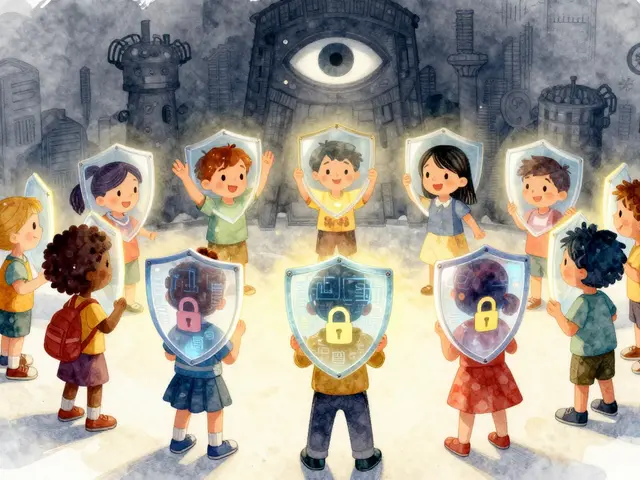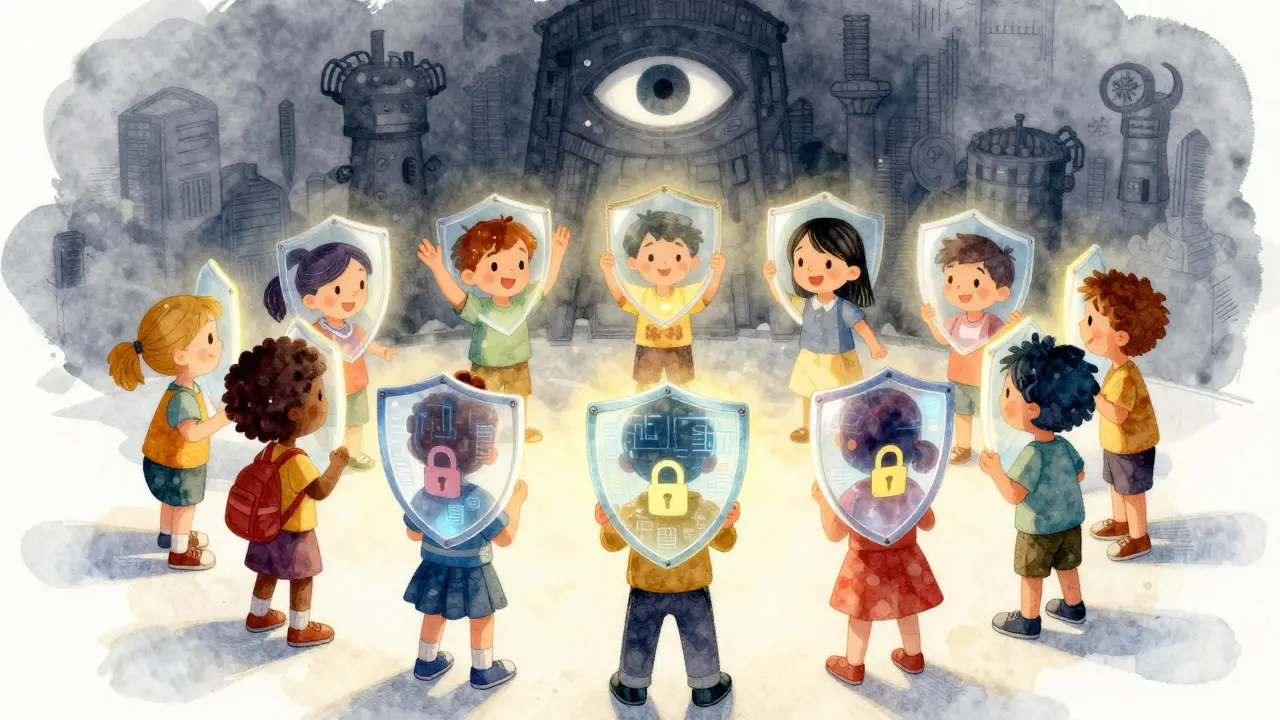
Imagine posting a photo, writing a status update, or sharing an opinion online-and actually owning that content. No company can delete it without your permission. No algorithm can hide it to sell you ads. And no one can sell your personal details to the highest bidder. For years, this sounded like science fiction. But with the rise of blockchain social networks, decentralized platforms that give users ownership and control over their digital interactions through cryptographic technology, it is becoming reality.
Traditional social media giants like Meta (Facebook) and X (formerly Twitter) built their empires on a simple model: you provide the data, they own it, and they profit from it. This centralized structure creates single points of failure and gives corporations unilateral power over your digital life. Blockchain technology flips this script. By distributing data across peer-to-peer networks instead of storing it in corporate servers, these new networks ensure that data sovereignty, the principle that individuals have exclusive control over their personal information belongs to you, not the platform operator.
How Decentralized Social Media Actually Works
To understand why blockchain social networks offer better control, you need to look under the hood. Unlike Instagram, which stores your photos on Amazon Web Services (AWS) servers owned by Meta, blockchain platforms use three interlocking technologies:
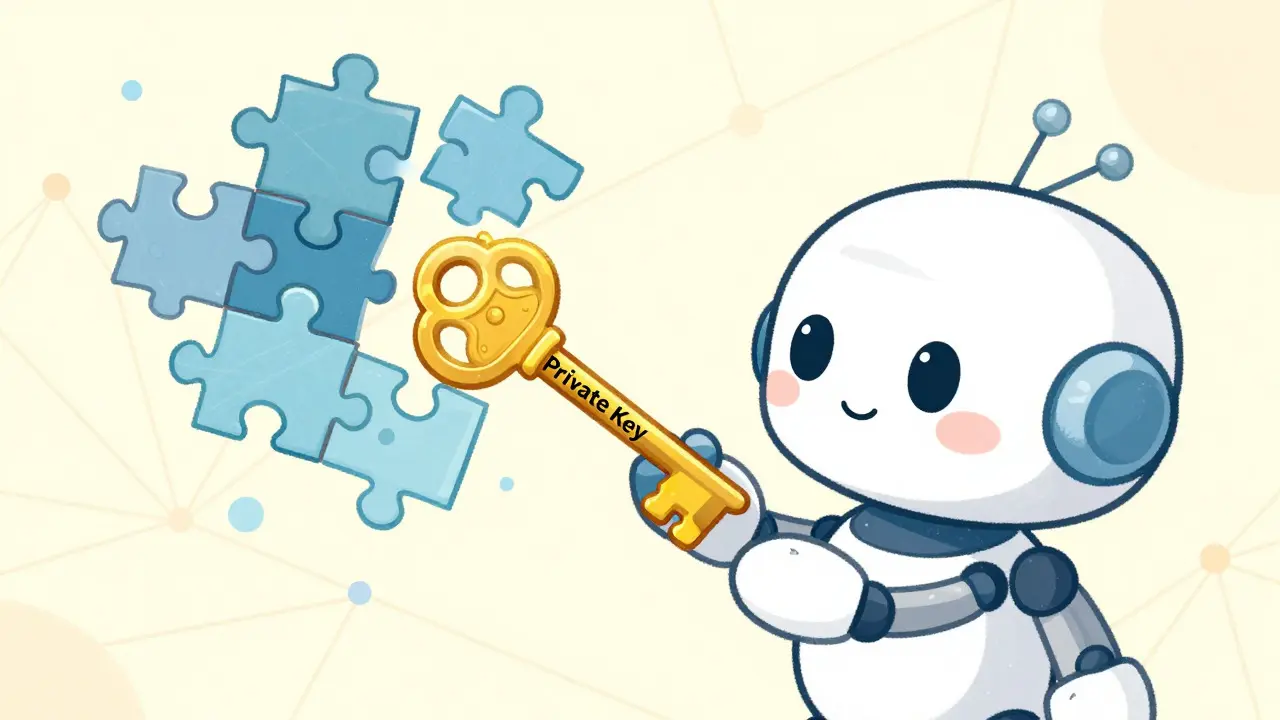
- Distributed Ledger Technology: This acts as your digital ID card. Instead of a username and password managed by a company, you have a cryptographic key pair. Only you hold the private key, proving who you are without revealing sensitive personal info.
- Decentralized Storage: Content isn't stored on one server. It’s split into pieces and distributed across thousands of nodes globally using protocols like IPFS (InterPlanetary File System) or Filecoin. If one node goes down, your post remains accessible elsewhere.
- Smart Contracts for Permissions: These are self-executing codes that govern who can see your data. Want to revoke access from a third-party app? The smart contract updates instantly, enforced by the network, not a customer support ticket.
This architecture eliminates the "black box" nature of traditional platforms. When you interact on a platform like Minds, a decentralized social network launched in 2015 that rewards users with tokens for engagement or Steemit, a blogging platform built on the Steem blockchain where content creators earn cryptocurrency, every action generates a cryptographic proof. According to research published in arXiv (2024), these systems can maintain GDPR compliance by creating transparent audit trails of data permissions, stored across more than 11,500 global nodes.
The Trade-Off: Control vs. Convenience
Nothing comes for free, and total data control requires some effort. The biggest hurdle isn’t technology-it’s human behavior. Managing your own keys means there is no "Forgot Password" button. If you lose your private key (a 256-bit hexadecimal string), you lose access to your account forever. A Trustpilot review from May 2024 highlights this risk: "Lost access to my Steemit account after misplacing my key - no recovery option."
Here is how blockchain social networks compare to centralized giants in key areas:
| Feature | Centralized (e.g., Facebook, X) | Blockchain (e.g., Minds, Lens Protocol) |
|---|---|---|
| Data Ownership | Platform owns your data; you license it to them. | You own your data via private keys. |
| Censorship Resistance | Low. Platforms can ban accounts or remove content unilaterally. | High. Immutability prevents unauthorized deletion. |
| Privacy Controls | Complex settings; data often shared with advertisers by default. | End-to-end encryption standard (98% of platforms); granular permissions. |
| User Experience | Polished, easy onboarding, instant recovery. | Steeper learning curve; 63% of users need help during setup. |
| Content Delivery Speed | Instantaneous processing. | 15-30 seconds for transaction finality on Layer 2 solutions. |
| Monetization | Platform takes majority revenue; users get little. | Tokens reward creators directly for engagement. |
The convenience gap is real. Dr. Jane Thomason, author of *Blockchain and Society* (2023), notes that while these networks offer true sovereignty, mainstream adoption hinges on simplifying key management. Until then, the average user faces a steeper learning curve. However, tools like MetaMask have made wallet interfaces much friendlier, reducing the barrier to entry significantly since 2021.
Why Now? The Push for Digital Privacy
So why are people moving to these platforms now? Two main drivers: regulation and distrust.
In 2023 alone, the European Commission handed out €2.1 billion in fines against centralized platforms for GDPR violations. The EU’s Digital Services Act now mandates data portability-the ability to move your data easily between services. Blockchain networks inherently support this. Your profile follows you because it’s tied to your wallet address, not a specific website.
Meanwhile, trust in big tech has eroded. Twitter (now X) removed 1.2 million accounts in Q1 2024, according to its transparency report. On blockchain platforms like Steemit, content integrity has remained at 100% since 2016 with zero unauthorized modifications. For users tired of arbitrary bans and opaque algorithms, this immutability is a feature, not a bug.
Growth reflects this shift. Chainstack’s Q2 2024 market analysis reports a 37% year-over-year increase in active users on blockchain social networks. While they still represent only 0.8% of the $184 billion global social media market, the trajectory is clear. Gartner predicts that by 2027, 15% of global users will primarily interact through decentralized platforms.
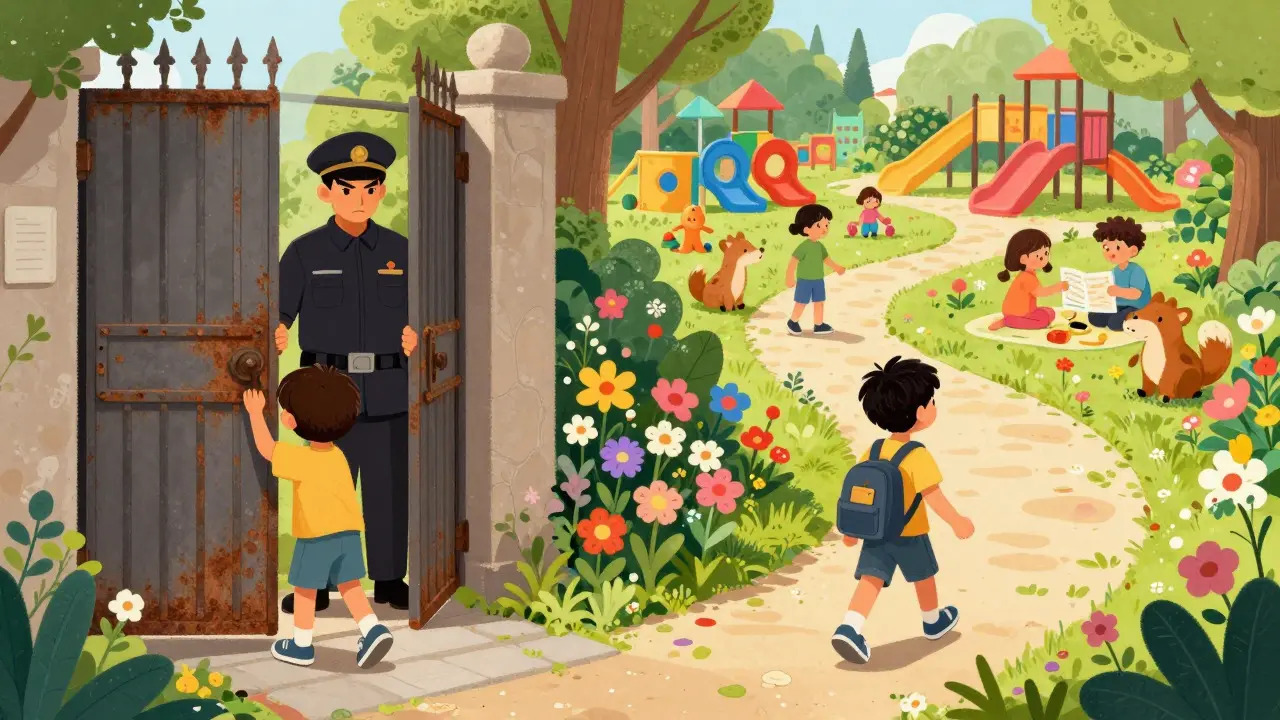
Getting Started: A Practical Guide
If you want to take back control of your data, here is how to begin safely:
- Choose a Platform: Start with established networks like Minds (general social feed) or Lens Protocol (developer-friendly, composable). Avoid experimental projects unless you’re comfortable with high risk.
- Set Up a Wallet: Download a reputable non-custodial wallet like MetaMask or Rainbow. Write down your seed phrase on paper-never digitally. This phrase is your master key.
- Create Your Profile: Connect your wallet to the social platform. You’ll likely need a small amount of cryptocurrency (like ETH or MATIC) to pay for initial "gas fees" (transaction costs), which average $0.05-$0.50 on Layer 2 networks as of mid-2024.
- Secure Your Keys: Enable hardware wallet integration if possible. Keep backups in separate physical locations.
- Engage Gradually: Treat your first few weeks as a test drive. Post low-stakes content to understand how permissions work before sharing sensitive information.
Expect the onboarding process to take 30-45 minutes. Blaize Tech’s 2024 study found that 72% of new users required external guidance initially, so don’t hesitate to join community forums like Reddit’s r/decentralizedweb for help.
The Future: Hybrid Models and Zero-Knowledge Proofs
The industry isn’t standing still. Developers are working on solutions to bridge the usability gap. Lens Protocol’s v2.3 release in August 2024 introduced composable data modules, allowing users to share selective content without exposing their entire history. Meanwhile, researchers are integrating zero-knowledge proofs (ZKPs) to enhance privacy further. ZKPs allow you to prove you meet certain criteria (like being over 18) without revealing your actual birthdate.
The World Economic Forum’s 2024 Digital Transformation Initiative forecasts a hybrid future: blockchain will handle identity and data permissions, while centralized infrastructure manages heavy content delivery. This middle path aims to satisfy both privacy advocates and casual users who just want fast-loading videos.
Skeptics remain. Stanford’s Dr. David Kravets argues in his 2024 paper *Decentralized Illusions* that network effects will prevent mass migration regardless of privacy benefits. After all, your friends are still on Instagram. But as regulatory pressure mounts and key management becomes seamless, the balance of power may finally shift back to where it belongs: with you.
What happens if I lose my private key on a blockchain social network?
If you lose your private key, you permanently lose access to your account and any associated assets. Unlike traditional platforms, there is no central authority to reset your password. This is why backing up your seed phrase offline is critical.
Are blockchain social networks completely anonymous?
Not necessarily. They offer pseudonymity rather than anonymity. Your identity is tied to a public wallet address. While your real name isn't required, all transactions and posts linked to that address are visible on the public ledger unless enhanced with zero-knowledge proofs.
Do I need to buy cryptocurrency to use these platforms?
Often, yes. You typically need a small amount of crypto to pay for gas fees (network transaction costs). However, some platforms offer sponsored transactions or layer-2 solutions with negligible costs, making entry cheaper than ever.
Can companies still censor me on blockchain social media?
It is much harder. Because data is stored across a decentralized network, no single entity can delete your content. However, front-end applications (the websites you visit) might choose to filter or hide controversial content, though the underlying data remains intact.
Is it safe to store photos and videos on blockchain?
Storing large media files directly on-chain is expensive and inefficient. Most platforms use decentralized storage like IPFS for the files while keeping the metadata and ownership records on the blockchain. This keeps costs low while maintaining security.