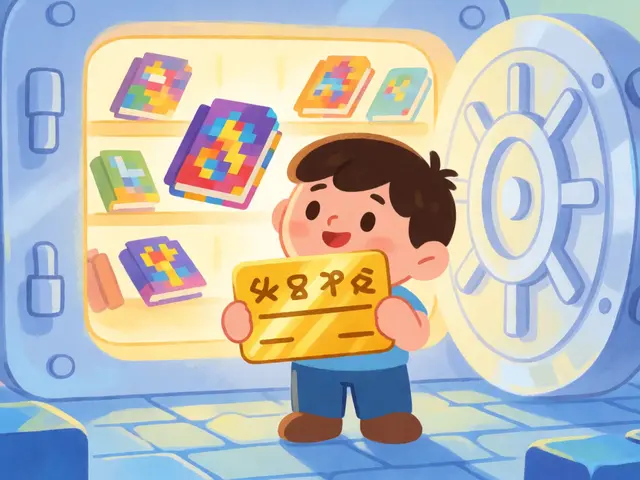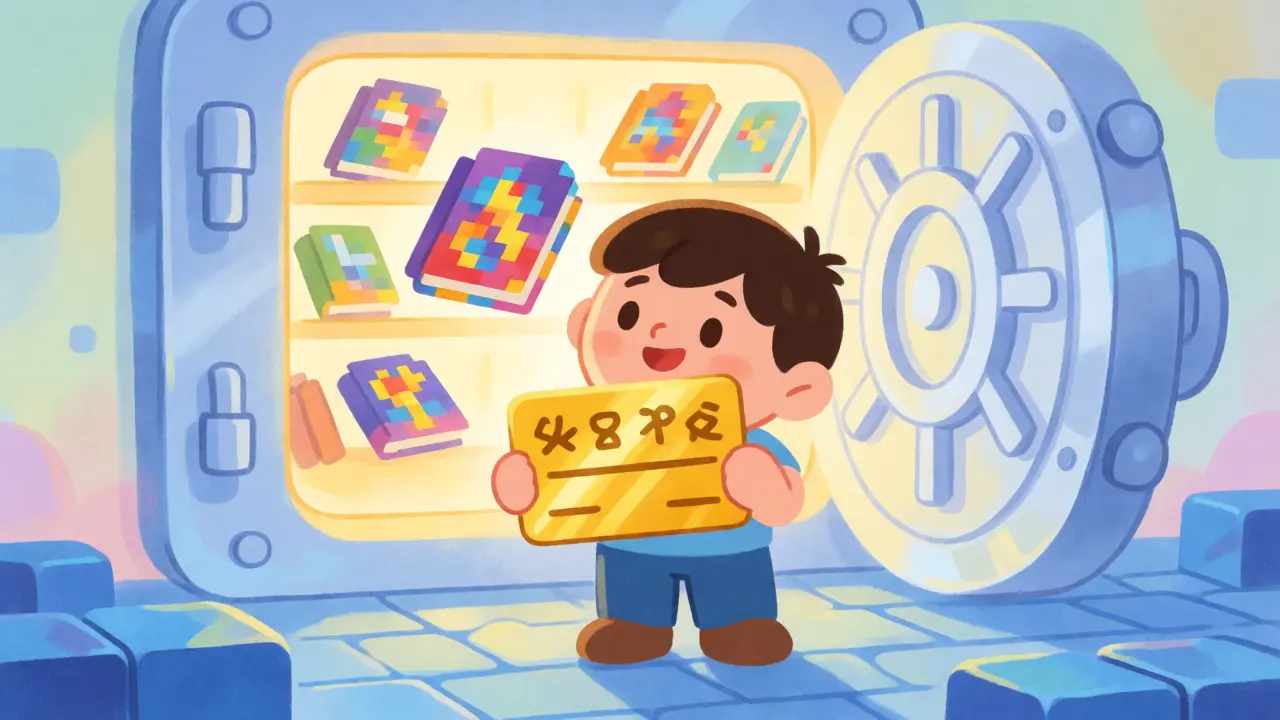
You paid good money for that pixelated ape or abstract art piece. You own the token on the blockchain. But here is the uncomfortable truth most sellers gloss over: you do not own the image file itself. You own a receipt. That receipt points to where the image lives. If that pointer breaks, your expensive NFT becomes a blank white square. This isn't a hypothetical nightmare; it happens regularly. In 2022, thousands of CloneX NFTs went blank because a centralized server hiccuped. To understand why this matters, you need to grasp how NFT metadata links non-fungible tokens to their underlying digital assets through decentralized and centralized storage systems.
The Receipt vs. The Package
Think of an NFT like a library card. The card (the token) proves you have the right to check out a specific book (the digital asset). But the card doesn't contain the words inside the book. It just tells the librarian where to find them. In technical terms, the NFT is stored on-chain-meaning directly on the blockchain ledger. This part is immutable, secure, and permanent. However, storing high-resolution images or videos directly on the Ethereum blockchain is prohibitively expensive. Storing just one kilobyte of data can cost around 35,000 gas units. For a 5MB JPEG, that’s thousands of dollars in fees alone.
So, developers use a workaround. They store the actual file off-chain and put a link to it in the token's metadata. This metadata is essentially a JSON file-a simple text format-that contains details like the name, description, attributes, and crucially, the URL pointing to the image. When you buy an NFT, you are buying this JSON structure. The marketplaces (like OpenSea or Rarible) read this JSON and fetch the image from the linked location to display it to you. If the link works, you see the art. If the link rots, you see nothing.
Where Do These Links Point?
Not all links are created equal. The durability of your NFT depends entirely on where that metadata points. There are three main ways creators handle this, each with distinct risks and benefits.
| Storage Type | Description | Risk Level | Cost Efficiency |
|---|---|---|---|
| IPFS (InterPlanetary File System) | A decentralized peer-to-peer network. Files are identified by content hash, not location. | Medium (Depends on pinning services) | High |
| Centralized HTTP(S) | Standard web hosting (AWS, Cloudflare, etc.). Easy to manage but single point of failure. | High (Server downtime kills visibility) | Very High |
| On-Chain Storage | The entire image is encoded into the smart contract code. | None (Permanent as long as chain exists) | Low (Extremely expensive) |
IPFS is the most common solution, used by roughly 78% of collections. It works differently than the traditional web. Instead of asking "where is this file?" (a domain name), you ask "what is this file?" (a cryptographic hash). If someone deletes the file from their computer, others who pinned it still have it. However, IPFS is not magic. It requires "pinning." If no one is actively keeping the file alive on their nodes, it disappears from the network. Services like Pinata or Infura act as these pinners. If they go bankrupt or drop your collection, your NFT goes dark.
Then there is the lazy option: centralized servers. Many corporate projects launch NFTs using standard AWS S3 buckets. It’s cheap and easy. But if Amazon has an outage, or if the startup running the project runs out of cash and cancels the subscription, the link breaks. Remember the Bored Ape Yacht Club incident in 2022? A configuration error caused metadata mismatches for hours, triggering panic selling. Centralized links create a dependency that contradicts the very ethos of decentralization.
The Anatomy of the Metadata JSON
If you dig into the raw data of an NFT, you will usually find a JSON file following the ERC-721 standard specification for non-fungible tokens. This file acts as the bridge between the blockchain ID and the visual experience. Here is what a typical metadata file looks like:
- Name: e.g., "Cool Cat #1234"
- Description: Text describing the character or story.
- Image: The critical field. Usually starts with
ipfs://followed by a hash string. - Attributes: Key-value pairs defining traits (e.g., "Background": "Blue", "Hat": "Beanie").
The "Image" field is the lifeline. When a wallet displays your NFT, it takes the token ID, queries the smart contract to get the metadata URI, downloads that JSON, reads the "Image" field, and then fetches the actual PNG/JPG from that address. Every step in this chain is a potential point of failure. If the smart contract is buggy, the URI might be wrong. If the IPFS gateway is down, the JSON won't load. If the pinning service stops serving the image, you get a broken icon.
Legal Reality: Ownership vs. Access
This technical setup creates a massive legal gray area. Buying an NFT does not automatically grant copyright ownership of the underlying artwork. The U.S. Copyright Office stated clearly in 2023 that a non-fungible token, by itself, conveys no rights to the underlying work. You own the token. The artist likely retains the copyright unless explicitly transferred in a separate agreement.
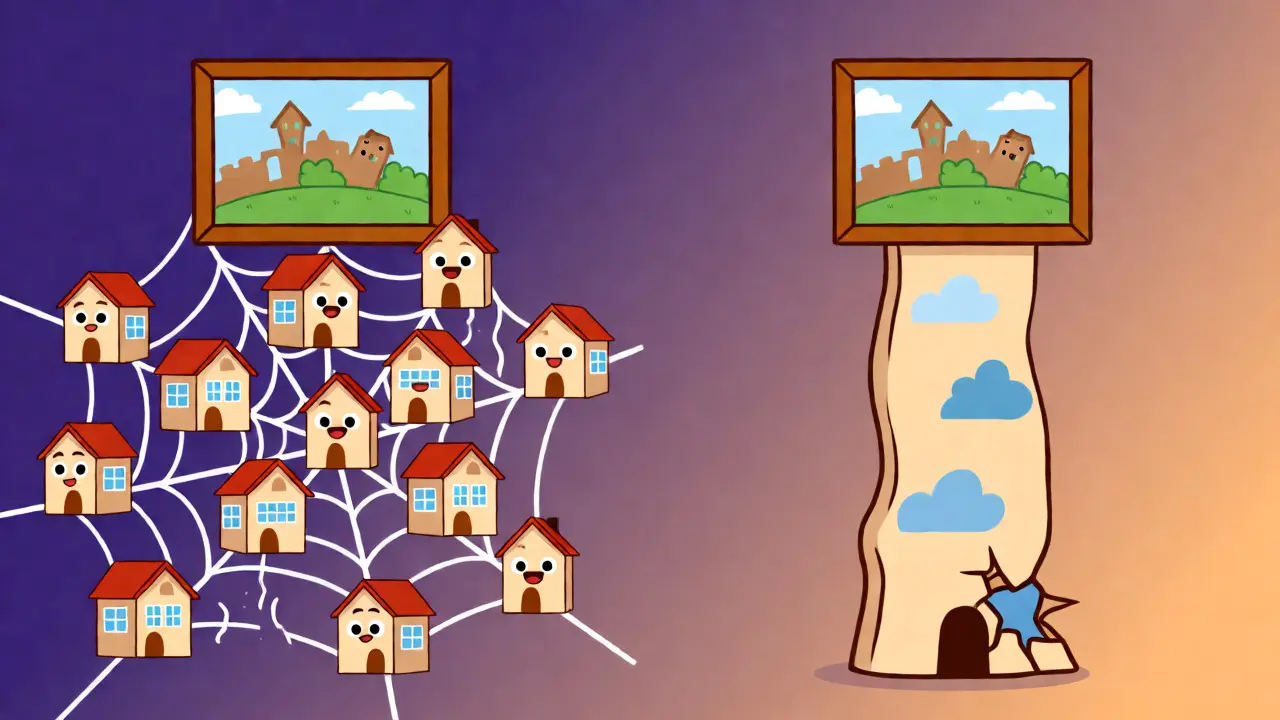
This distinction became painfully clear in cases like the "Miranda OG" lawsuit, where an artist sued OpenSea after her work was minted without permission. While she won damages, the case highlighted how fragile the link between token and creator rights really is. Furthermore, if the metadata link breaks, you lose access to the asset you paid for, even if you legally hold the token. Vitalik Buterin, co-founder of Ethereum, has warned about this "fundamental mismatch" between immutable blockchain records and mutable off-chain content. Your record says you own it. Your screen says otherwise.
How to Check Your NFT's Health
Don't wait until you try to sell to discover your NFT is broken. You can audit your collection now. Most block explorers allow you to view the raw metadata. Look for the token ID, click "Read Contract," and find the tokenURI function. Paste that URI into a browser. If it loads a JSON file, great. Then copy the "image" URL from that JSON and paste it into a new tab. Does the image load?
For a deeper dive, use tools like the "NFT Metadata Checker" on GitHub or community dashboards that scan for dead links. Some advanced collectors use redundant storage strategies. CryptoPunks, for instance, maintains copies on IPFS, Arweave, and centralized backups. This triple-redundancy ensures that even if one system fails, the image remains accessible. Since its launch in 2017, CryptoPunks has reported zero permanent metadata failures due to this robust approach.
Future-Proofing Your Collection
The industry is waking up to these risks. Newer standards and practices aim to fix the fragility of current metadata systems. One emerging trend is the use of Arweave for permanent, one-time-payment data storage. Unlike IPFS, which requires ongoing pinning costs, Arweave charges once to store data forever. It’s more expensive upfront but eliminates the risk of future service lapses.
Another development is EIP-6454, a proposed Ethereum improvement that would allow contracts to "freeze" metadata, preventing creators from changing the image after minting. This protects buyers from rug-pulls where a developer swaps a popular image for a blank placeholder. As regulatory frameworks like the EU’s MiCA regulation come into force, we may see stricter requirements for "persistent accessibility guarantees." For now, however, buyer diligence is key. Ask the project team: Where is the metadata hosted? Who pins the IPFS files? What happens if your company shuts down?
Frequently Asked Questions
Does owning an NFT mean I own the copyright to the image?
Generally, no. Owning an NFT typically grants you proof of ownership of the token, not the intellectual property rights to the underlying digital asset. Unless the smart contract or accompanying legal agreement explicitly transfers copyright, the original creator retains those rights. You own the certificate, not the painting.
What happens if the IPFS link in my NFT metadata breaks?
If the IPFS link breaks because no one is pinning the file anymore, the marketplace will fail to load the image. Your NFT will appear as a blank placeholder or a broken image icon. The token itself remains valid on the blockchain, and you can still trade it, but its visual utility and perceived value often plummet.
Why don't projects store images directly on the blockchain?
Storing large files directly on the blockchain is extremely expensive due to gas fees. For example, storing a single megabyte of data on Ethereum could cost hundreds or thousands of dollars. Off-chain storage via IPFS or other systems allows for efficient, low-cost storage while maintaining a verifiable link on-chain.
Can creators change the image associated with my NFT?
It depends on the smart contract. In many older or poorly coded contracts, the metadata URI is mutable, meaning the creator can change where the token points. If they update the URI to point to a different image, your NFT's appearance changes. Newer standards and best practices encourage freezing the metadata to prevent this.
Is centralized storage worse than IPFS for NFTs?
Centralized storage is easier to manage but carries higher risk. If the central server goes offline or the hosting company ceases operations, the link breaks permanently unless migrated. IPFS is decentralized but relies on active pinning. Neither is perfect, but IPFS aligns better with blockchain principles, provided the pinning infrastructure is maintained.