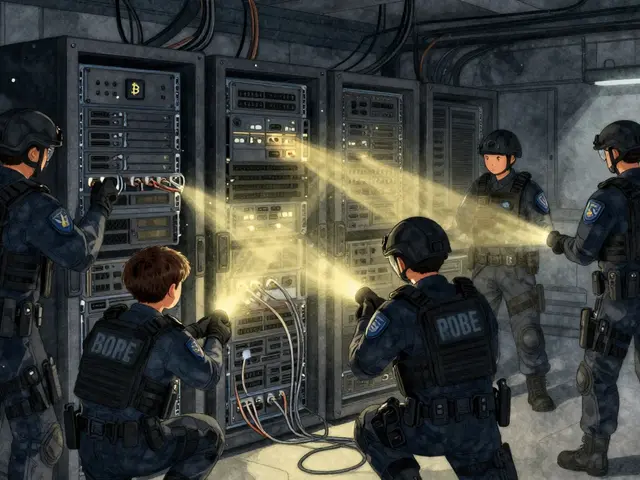
On September 19, 2024, the landscape of cryptocurrency crime enforcement shifted dramatically. The German Federal Criminal Police Office (Bundeskriminalamt, also known as BKA) executed a massive takedown known as Operation Final Exchange. This wasn't just another regulatory fine or a warning letter. It was a coordinated strike against 47 Russian-language cryptocurrency exchanges that operated without any identity verification.
If you have ever wondered how criminals move money from ransomware attacks or darknet sales, these platforms were the key. They offered instant swaps and direct connections to sanctioned Russian banks, all while hiding behind a "no-KYC" (Know Your Customer) shield. By seizing their servers, data, and infrastructure, German authorities sent a clear message: anonymity is not a free pass for financial crime.
The Anatomy of Operation Final Exchange
To understand why this operation was so significant, we need to look at what exactly was targeted. The BKA didn't just shut down websites; they dismantled the entire technical backbone of these illicit services. The operation focused on 47 specific platforms that catered primarily to Russian-speaking users.
These exchanges were different from standard crypto brokers like Coinbase or Binance. They were "instant-swap" services. You could send them Bitcoin, and they would instantly send you Tether or Rubles to a bank account, with zero questions asked. No name, no phone number, no email address. For legitimate users seeking privacy, this might sound appealing. For cybercriminals, it was essential infrastructure.
The scope of the seizure was comprehensive. Authorities took control of:
- Production servers handling live transactions
- Development servers where new features were coded
- Backup systems storing historical data
In total, the BKA secured over 8 terabytes of data. This included user registration details (even if anonymous), transaction records, IP addresses, and complete operational databases. The psychological impact was immediate. The BKA published a stark message to the operators and users: "We have found their servers and seized them... We have their data - and therefore we have your data. Transactions, registration data, IP addresses. Our search for traces begins."
Why No-KYC Exchanges Are Prime Targets
You might ask, why target these specific small exchanges instead of major global platforms? The answer lies in the concept of No-KYC (Know Your Customer) compliance. Major exchanges are required by law to verify identities. This creates a paper trail that law enforcement can follow. No-KYC exchanges remove this trail, making them the preferred choice for those trying to evade sanctions or launder money.
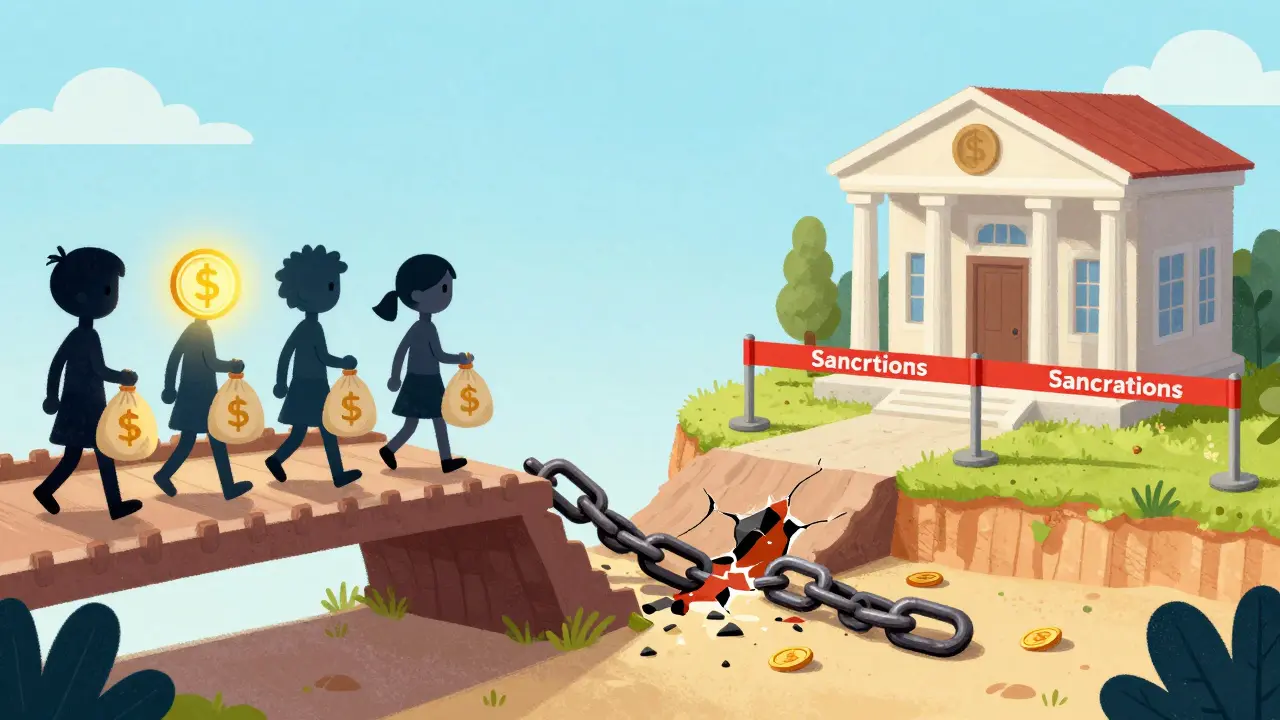
According to blockchain analytics firm Chainalysis, these instant-swap services play a central role in facilitating on-chain cybercrime. They act as the bridge between illicit crypto assets and usable fiat currency. In the case of Operation Final Exchange, many of these platforms provided direct on-ramping and off-ramping services for sanctioned Russian banks. This created systematic channels for circumventing international sanctions imposed after the invasion of Ukraine.
By targeting no-KYC providers, authorities hit the weak link in the criminal supply chain. Criminals can generate crypto through hacks or ransomware, but they eventually need to cash out to buy real-world goods or pay salaries. These exchanges provided that exit door. Closing it forces criminals to find more expensive, slower, or riskier alternatives.
Comparison: Traditional Enforcement vs. Operation Final Exchange
This operation marked a shift in strategy. Previous crypto crackdowns often involved shutting down a website while the operators fled to a new jurisdiction or migrated their code to a new server. Operation Final Exchange was designed to prevent that escape route.
| Feature | Traditional Takedown | Operation Final Exchange |
|---|---|---|
| Target Scope | Single exchange or mixer | 47 simultaneous targets |
| Infrastructure Seized | Primary web servers only | Production, dev, and backup servers |
| Data Recovery | Often lost or encrypted | 8+ TB of transaction/user data secured |
| Restoration Time | Days to weeks (operators migrate) | Months to years (complete infrastructure loss) |
| Psychological Impact | Low (users switch platforms) | High (direct messaging about data seizure) |
The simultaneous nature of the raid meant that operators couldn't copy-paste their database to a new host. With development and backup servers gone, rebuilding the service from scratch became a monumental task. This approach is far more effective than previous actions, such as the seizure of ChipMixer, which laundered €90 million but allowed some operational continuity elsewhere.

Impact on Users and Criminal Networks
The reaction to the takedown was mixed, reflecting the dual nature of these platforms. On one side, compliance-focused users and industry experts celebrated the move. Security researchers noted that disrupting these networks raises the cost and difficulty of money laundering, thereby protecting the broader cryptocurrency ecosystem from being labeled as a haven for crime.
On the other side, privacy advocates and darknet participants expressed concern. Forums like Reddit's r/cryptocurrency saw discussions surge about government surveillance capabilities. Users who had used these services for legitimate privacy reasons feared that their seized data-IP addresses and transaction histories-could lead to prosecution, even if their activities weren't criminal. Telegram channels dedicated to crypto privacy reported decreased activity and increased anxiety among users.
For criminal networks, the disruption was severe. Vendors on darknet marketplaces reported an inability to access reliable laundering services. Ransomware groups, which rely on quickly moving funds away from victim wallets, faced bottlenecks. However, history shows that criminal markets are resilient. While Operation Final Exchange removed a significant chunk of infrastructure, it likely accelerated the development of alternative methods, such as peer-to-peer trading or decentralized mixing protocols.
What This Means for the Future of Crypto Compliance
Operation Final Exchange is not an isolated incident. It reflects a broader trend in European law enforcement. Germany, alongside agencies like the FBI and FinCEN in the US, is positioning itself as a leader in cryptocurrency crime enforcement. The success of this operation has influenced policy discussions across the EU regarding the expansion of similar enforcement capabilities.
The global cryptocurrency compliance market, which reached $1.2 billion in 2024, is growing rapidly. Blockchain analytics services are seeing over 300% annual growth as regulators demand better visibility into crypto flows. Companies like Chainalysis provide the tools necessary to trace funds through complex networks, identifying the connections between illicit activities and these no-KYC exchanges.
Looking ahead, expect more coordinated multi-jurisdictional strikes. Law enforcement agencies are learning that cooperation is key. The BKA worked closely with Frankfurt's Public Prosecutor's Office and international partners to execute this raid. As technology evolves, so will the tactics. We may see increased scrutiny of remaining no-KYC platforms and stricter regulations on fiat on-ramps that serve high-risk jurisdictions.
For everyday users, the lesson is clear: anonymity comes with risks. If a platform doesn't know who you are, neither does anyone else-including when things go wrong. Legitimate exchanges offer security, insurance, and recourse. Illicit platforms offer nothing but exposure to law enforcement dragnets.
What was Operation Final Exchange?
Operation Final Exchange was a major enforcement action by the German Federal Criminal Police (BKA) on September 19, 2024. It involved the seizure of 47 Russian-language no-KYC cryptocurrency exchanges that facilitated sanctions evasion and money laundering. Authorities seized all server infrastructure and over 8 terabytes of data.
Why were no-KYC exchanges targeted?
No-KYC (Know Your Customer) exchanges do not require user identification, making them attractive for criminals seeking to launder money from ransomware, darknet sales, or sanctions evasion. These platforms provided direct links to sanctioned Russian banks, bypassing international financial restrictions.
How much data did the BKA seize?
The BKA secured over 8 terabytes of data, including transaction records, IP addresses, user registration information, and operational databases from production, development, and backup servers.
Did this operation stop crypto crime completely?
While it caused significant disruption, it did not stop crypto crime entirely. Criminal networks are adaptive and likely shifted to alternative laundering methods. However, the operation raised the cost and difficulty of using these services, demonstrating the effectiveness of comprehensive infrastructure seizures.
Are regular crypto users affected by this?
Legitimate users on regulated exchanges are not directly affected. However, the operation highlights the risks of using unregulated, no-KYC platforms. Users of these seized services may face investigations based on the recovered data, including IP addresses and transaction histories.