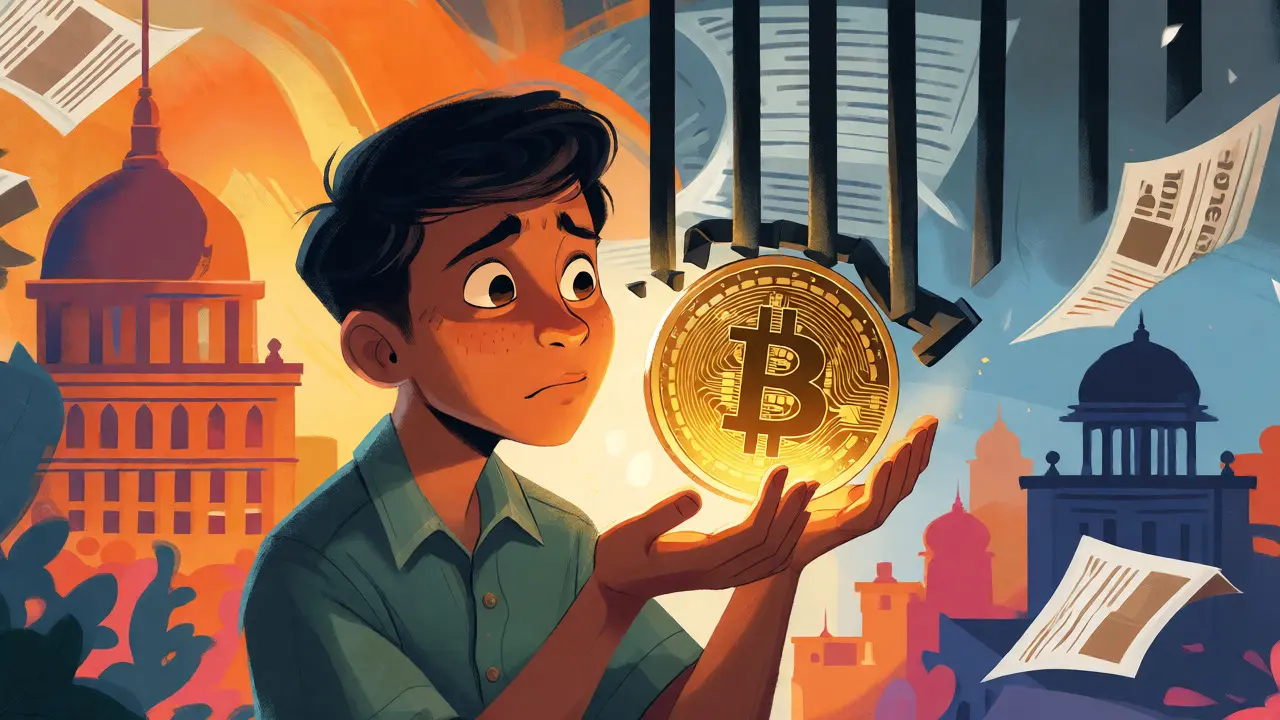
You’ve probably seen the headlines. "Buy Bitcoin in Bangladesh? You might go to jail for 12 years." It sounds terrifying, doesn’t it? For many traders and investors, this number has become a chilling warning that keeps them away from digital assets. But is it actually true that holding or trading cryptocurrency in Bangladesh lands you behind bars for over a decade?
The reality is messier than the sensationalist headlines suggest. While the Bangladesh Bank (the central bank) has issued strict warnings, the legal framework isn't as black-and-white as "trade equals prison." In fact, no one has actually served a 12-year sentence specifically for buying Bitcoin. So, what’s really going on? This article breaks down the actual laws, the source of the 12-year myth, and what you need to know if you’re navigating crypto in Bangladesh today.
Where Did the 12-Year Sentence Come From?
The fear stems from a specific interpretation of existing financial crimes laws, not a new law created just for crypto. Back in September 2014, the Bangladesh Bank issued its first cautionary notice regarding Bitcoin. They stated that since Bitcoin isn’t legal tender, any transaction involving it could be considered a punishable offense under anti-money laundering laws.
Bank officials told news agencies like AFP that violations could lead to sentences of up to 12 years. But here’s the catch: they were extrapolating from the Money Laundering Prevention Act 2012. Section 9(1) of this Act states that money laundering carries rigorous imprisonment of at least one year but not more than ten years, plus fines. The "12 years" figure likely came from adding potential additional penalties or confusion with other statutes, but the core statute caps most serious money laundering charges at 10 years.
Later, in December 2017, the central bank issued another notice, expanding the scope to include Ethereum, Ripple, and Litecoin. They added the Anti-Terrorism Act 2009 to the list of applicable laws. Yet, these notices were warnings, not formal legislative bans with new criminal codes specifically for crypto ownership.
Is Cryptocurrency Actually Banned?
This is where things get tricky. Technically, there is no law that says "owning Bitcoin is illegal." Instead, the government argues that using crypto violates three main acts:
- The Foreign Exchange Regulation Act 1947: This requires all foreign exchange transactions to go through authorized dealers. Since crypto trades often bypass banks, regulators claim this violates forex rules.
- The Money Laundering Prevention Act 2012: Amended in 2015 to include "virtual assets," this act targets the movement of funds that looks suspicious.
- The Anti-Terrorism Act 2009: Used to argue that untraceable digital cash could fund terrorism.
Legal experts, such as those at Mahbub & Company, have pointed out that the regulator hasn’t actually banned crypto outright. They’ve warned that using crypto to commit an existing crime (like smuggling or money laundering) is punishable. If you use regular Taka to launder money, you go to jail. If you use Bitcoin to launder money, you also go to jail. The crime is the laundering, not the coin itself.
However, because the Bangladesh Bank controls the banking system, they can block bank transfers to crypto exchanges. This makes it hard to move money in and out of the traditional economy, creating a de facto ban rather than a total legal prohibition on possession.
Enforcement Reality vs. Legal Theory
If the penalty is so severe, why aren’t people lining up in courtrooms? As of 2025, there are no publicly documented cases of individuals receiving 12-year sentences purely for trading crypto. The enforcement landscape is selective.
Data from the Anti-Money Laundering Department shows that in 2022, only 37 cases related to "digital financial crimes" were filed nationwide. None of these resulted in maximum penalty sentences for simple trading. The focus seems to be on large-scale operations, fraud, or using crypto to evade taxes and customs duties, rather than targeting individual retail investors.
Interestingly, despite the warnings, adoption is growing. Chainalysis reported a 206% increase in crypto transaction volume in Bangladesh between July 2021 and June 2022. By late 2024, Statista estimated that about 2.1 million Bangladeshis owned cryptocurrency. This suggests that while the official stance is restrictive, the practical reality is a gray area where enforcement is inconsistent.
The Digital Security Act and Other Penalties
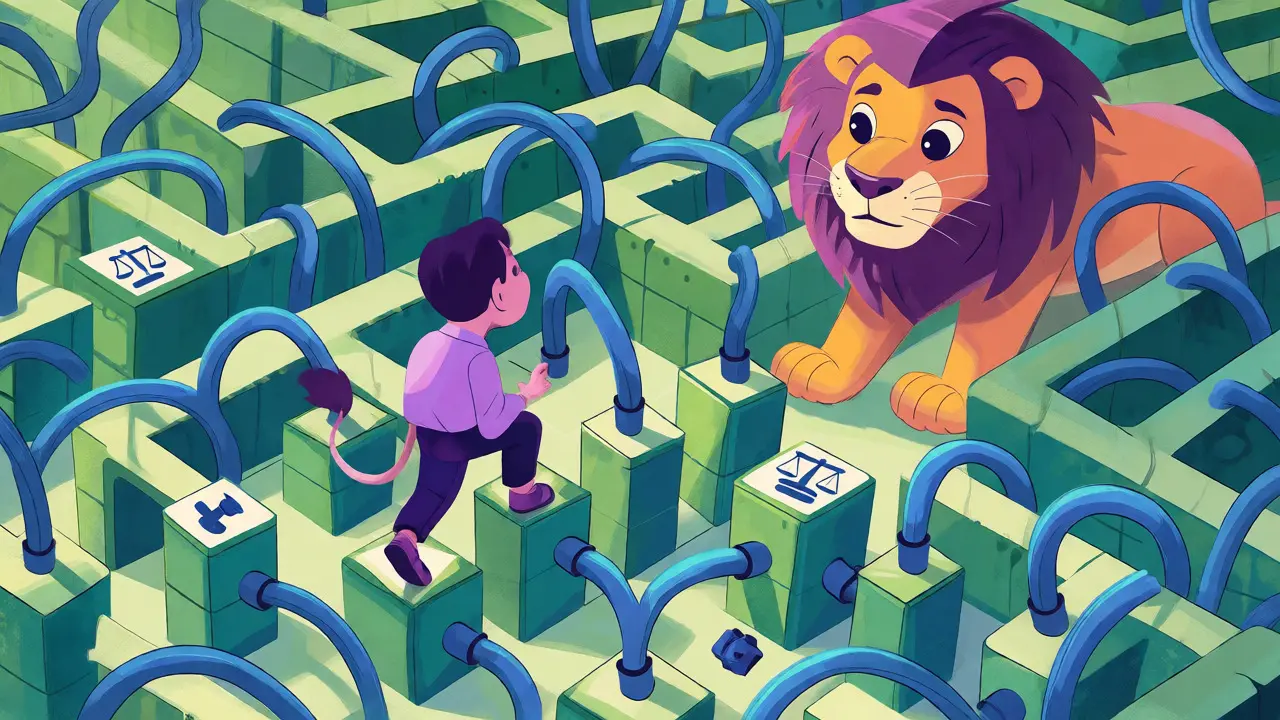
Beyond money laundering, the Digital Security Act 2018 adds another layer of risk. Section 30 of this Act deals with unauthorized electronic transactions through financial institutions. It stipulates imprisonment of up to 5 years or fines up to 5 lakh taka for unauthorized activities, with repeat offenses carrying up to 7 years.
This creates a discrepancy. Media reports often cite 12 years, but the Digital Security Act caps certain electronic transaction offenses lower. However, if authorities classify your crypto activity as both money laundering AND a violation of the Digital Security Act, the cumulative risk increases. Still, for the average person buying small amounts of Bitcoin via P2P platforms like Binance, the immediate threat of a multi-year prison sentence remains low.
Why the Confusion Persists
Part of the problem is how international media covered the story. Headlines like "Bangladesh Bans Bitcoin" grabbed attention but lacked nuance. Local legal scholars have argued since 2018 that the warnings don’t constitute formal regulations with the force of law in the same way a parliamentary act does.
Moreover, the government’s approach is contradictory. On one hand, the central bank warns against crypto. On the other, the National Blockchain Strategy published in 2020 explores blockchain technology for government use. This signals that the issue isn’t the technology itself, but the lack of control over decentralized currencies that bypass state monetary policy.

What Should You Do?
If you live in Bangladesh or plan to trade there, keep these points in mind:
- Avoid Large Bank Transfers: Direct transfers from Bangladeshi banks to international crypto exchanges are often blocked or flagged.
- P2P is King: Most local trading happens peer-to-peer. Be aware that these transactions are less regulated and carry counterparty risk.
- Keep Records: If you are investigated, having proof that your funds are legitimate and not linked to illicit activities is crucial.
- Stay Updated: Regulations in emerging markets change fast. What is tolerated today might be cracked down on tomorrow.
| Activity Type | Primary Law Cited | Theoretical Max Penalty | Real-World Enforcement |
|---|---|---|---|
| Holding Crypto Assets | None Explicitly | N/A | Low Risk / Gray Area |
| Trading via Bank Transfer | Foreign Exchange Regulation Act 1947 | Up to 5 Years | Moderate Risk (Account Freezes) |
| Suspected Money Laundering | Money Laundering Prevention Act 2012 | Up to 10 Years + Fine | High Risk (If Proven) |
| Unauthorized Electronic Transaction | Digital Security Act 2018 | Up to 7 Years | Variable (Case-by-Case) |
Frequently Asked Questions
Is Bitcoin completely illegal in Bangladesh?
No, there is no specific law that declares owning Bitcoin illegal. However, the Bangladesh Bank has issued warnings that transactions may violate the Foreign Exchange Regulation Act and Money Laundering Prevention Act. This creates a regulatory gray area where trading is discouraged and difficult, but not explicitly criminalized by name.
Can I really go to jail for 12 years for trading crypto?
The 12-year figure is largely a media exaggeration derived from interpretations of the Money Laundering Prevention Act. The Act typically caps imprisonment at 10 years for money laundering. There are no recorded instances of anyone serving 12 years solely for crypto trading; penalties usually depend on whether the activity is linked to fraud or smuggling.
Why did the Bangladesh Bank warn against crypto?
The central bank is concerned about capital flight, money laundering, and the inability to regulate a decentralized currency that bypasses the formal banking system. They view crypto as a threat to monetary policy stability and national security.
Are P2P crypto trades safe in Bangladesh?
P2P trades are common but risky. Since they happen outside the banking channel, they avoid some forex restrictions but expose users to scams and lack of consumer protection. Additionally, if a trade is flagged as suspicious, it could trigger an investigation under anti-money laundering laws.
Does the Digital Security Act apply to crypto?
Yes, Section 30 of the Digital Security Act 2018 can apply to unauthorized electronic transactions. Violations can result in imprisonment up to 5 years for first offenses and up to 7 years for repeats, along with significant fines.